Empower and advocate for others as an ethical, culturally responsive, and effective counseling professional, in today’s high-demand schools or in clinical mental health settings.
Whether you’re inspired to help today’s youth navigate school challenges or to support mental health for people of all ages, the Johns Hopkins Master of Science in Counseling can help you achieve your goals.
Led by a distinguished faculty and supported by a network of partner school districts and mental health organizations, our CACREP-accredited MS in Counseling program offers two distinct concentrations, each leading to specific state licensure opportunities: Clinical Mental Health Counseling and School Counseling. Both concentrations offer a comprehensive, evidence-based curriculum aligned with national and state standards.
STEM Designation
This STEM-designated degree program meets the qualifications for students on an F-1 visa to apply for a 24-month extension of post-completion optional practical training (OPT). For more information regarding OPT, please visit the Department of Homeland Security’s Optional Practical Training for F-1 Students.
Program Overview
Led by a distinguished faculty and supported by a network of partner school districts and mental health organizations, the program’s content includes professional orientation and ethical practice, social and cultural diversity, human growth and development, career development, helping relationships, group work, assessment, and research/program evaluation. Students learn through didactic experiences, small-group projects, and applied learning at community- or school-based sites. The Master of Science in Counseling degree program is accredited by CACREP.
Our MS in Counseling program offers two distinct concentrations, each leading to specific state licensure opportunities: Clinical Mental Health Counseling and School Counseling. Both concentrations offer a comprehensive, evidence-based curriculum aligned with national and state standards.
Clinical Mental Health Counseling Concentration
Prepare for a career in a range of clinical, community, and human service settings. Through coursework and fieldwork, you’ll gain the skills, knowledge, and academic credentials needed to begin the licensure process in Maryland and many other states. With full-time and part-time program sequences, students have a maximum of five years to complete the program. Students must complete their practicum and internship in a clinical mental health setting.
22% Increase
Mental health counselor positions are expected to grow in demand by 22% through 2031, which is much higher than the average occupations

22% Increase
Mental health counselor positions are expected to grow in demand by 22% through 2031, which is much higher than the average occupations
School Counseling Concentration
Prepare to serve and guide students in a variety of K-12 settings. With an emphasis on urban school settings, our curriculum includes practicum and fieldwork experience. The program is approved by the Maryland State Department of Education (MSDE), and graduates are eligible for MSDE certification as school counselors. With full-time and part-time program sequences, students have a maximum of five years to complete the program. Students must complete their practicum and internship in a school setting.
Recruit, Educate, Support, Evaluate, and Train (RESET) Initiative
The Recruit, Educate, Support, Evaluate, and Train (RESET) Initiative prepares students in the School Counseling concentration of the MS in Counseling program to address mental health issues in high-need urban, rural, and suburban school districts.

10% Increase
Demand for school and career counselors is predicted to grow by 10% over the next decade, which is faster than the average growth for all occupations
Recruit, Educate, Support, Evaluate, and Train (RESET) Initiative
The Recruit, Educate, Support, Evaluate, and Train (RESET) Initiative prepares students in the School Counseling concentration of the MS in Counseling program to address mental health issues in high-need urban, rural, and suburban school districts.
10% Increase
Demand for school and career counselors is predicted to grow by 10% over the next decade, which is faster than the average growth for all occupations
Upcoming Admissions Events
Have questions about our degree programs, the application, or financial aid and costs? Join us for an inside look at a graduate experience defined by innovation and driven by evidence-based research. Learn more about your area of interest or career path, meet some of our faculty, and connect to the Johns Hopkins School of Education community. Check out our admissions events and register for a virtual information session today.
Core Faculty
-
Chioma Anah, EdD
Lecturer
Affiliation
Counseling & Educational Studies
Expertise
Counseling & Human Development

-
Matthew Bonner, PhD
Assistant Professor
CACREP Liaison, Counseling ProgramAffiliation
Counseling & Educational Studies
Expertise
Counseling & Human Development
-
Nathaniel Brown, PhD
Assistant Professor
Director of the Counseling ProgramAffiliation
Counseling & Educational Studies
Expertise
Counseling & Human Development
-
Isaac Burt, PhD
Associate Professor
Affiliation
Counseling & Educational Studies
Expertise
Counseling & Human Development
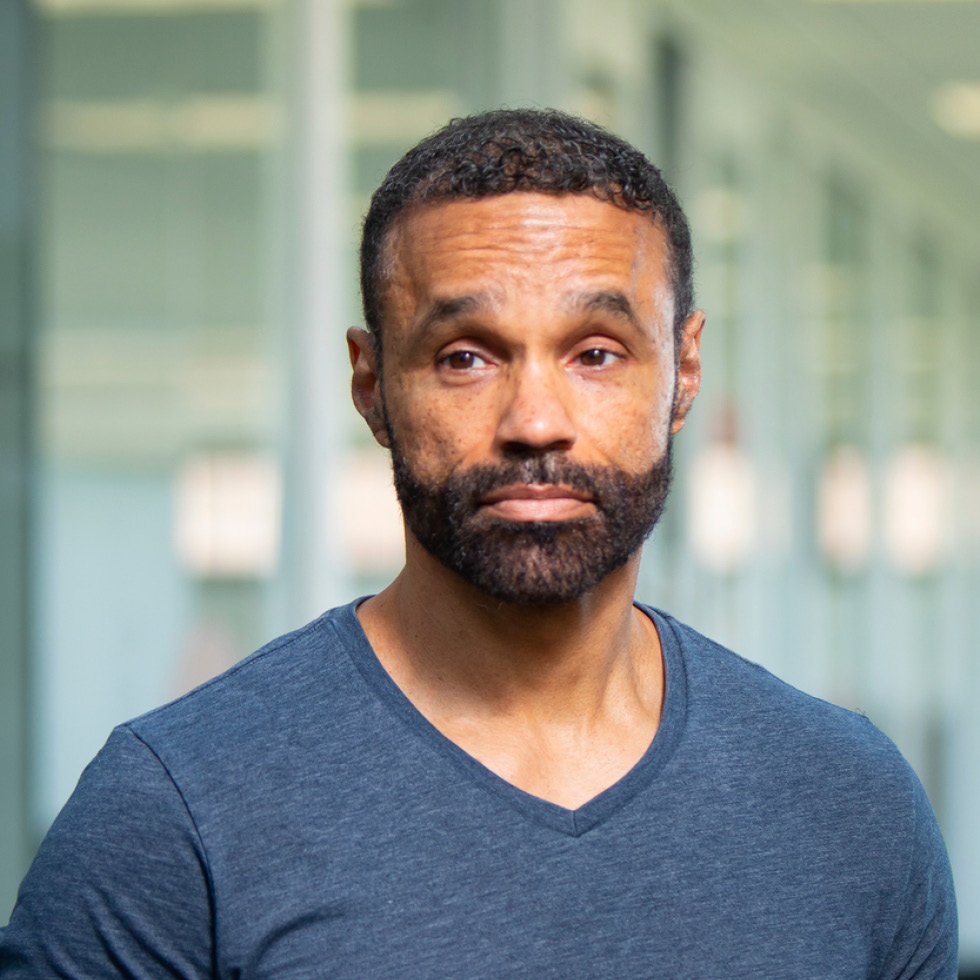
Chioma Anah, EdD
Lecturer
Affiliation
Counseling & Educational Studies
Expertise
Counseling & Human Development
Matthew Bonner, PhD
Assistant Professor
CACREP Liaison, Counseling Program
Affiliation
Counseling & Educational Studies
Expertise
Counseling & Human Development
Nathaniel Brown, PhD
Assistant Professor
Director of the Counseling Program
Affiliation
Counseling & Educational Studies
Expertise
Counseling & Human Development
Isaac Burt, PhD
Associate Professor
Affiliation
Counseling & Educational Studies
Expertise
Counseling & Human Development
-
Norma L. Day-Vines, PhD
Professor
Affiliation
Counseling & Educational Studies
Expertise
Counseling & Human Development

-
Brenda Dorsch , PhD
Lecturer
Affiliation
Counseling & Educational Studies
Expertise
Counseling & Human Development
-
Hyunhee Kim , PhD
Assistant Professor
Affiliation
Counseling & Educational Studies
Expertise
Counseling & Human Development

-
Justin Lauka, PhD
Assistant Professor
Affiliation
Counseling & Educational Studies
Expertise
Counseling & Human Development
Norma L. Day-Vines, PhD
Professor
Affiliation
Counseling & Educational Studies
Expertise
Counseling & Human Development
Brenda Dorsch , PhD
Lecturer
Affiliation
Counseling & Educational Studies
Expertise
Counseling & Human Development
Hyunhee Kim , PhD
Assistant Professor
Affiliation
Counseling & Educational Studies
Expertise
Counseling & Human Development
Justin Lauka, PhD
Assistant Professor
Affiliation
Counseling & Educational Studies
Expertise
Counseling & Human Development
-
Samantha Long, PhD
Lecturer
Affiliation
Counseling & Educational Studies
Expertise
Counseling & Human Development

-
Michelle Muratori, PhD
Senior Lecturer
Assistant Director, Counseling ProgramAffiliation
Counseling & Educational Studies
Expertise
Counseling & Human Development

-
Sean Newhart, PhD, LCPC
Interim Clinical Director of the Counseling Field Experience Office
Affiliation
Counseling & Educational Studies
Expertise
Counseling & Human Development
-
Hsin-Ya Tang, PhD
Associate Professor
Affiliation
Counseling & Educational Studies
Expertise
Counseling & Human Development
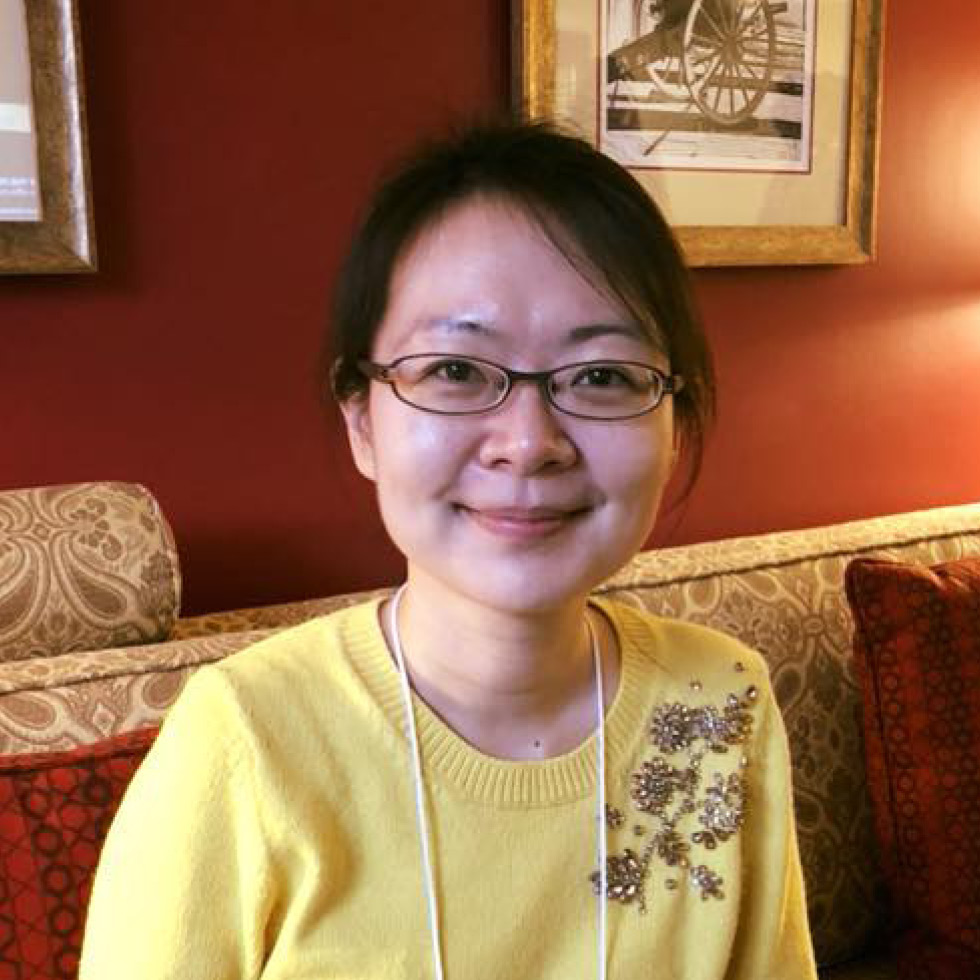
Samantha Long, PhD
Lecturer
Affiliation
Counseling & Educational Studies
Expertise
Counseling & Human Development
Michelle Muratori, PhD
Senior Lecturer
Assistant Director, Counseling Program
Affiliation
Counseling & Educational Studies
Expertise
Counseling & Human Development
Sean Newhart, PhD, LCPC
Interim Clinical Director of the Counseling Field Experience Office
Affiliation
Counseling & Educational Studies
Expertise
Counseling & Human Development
Hsin-Ya Tang, PhD
Associate Professor
Affiliation
Counseling & Educational Studies
Expertise
Counseling & Human Development
-
Sterling P. Travis, PhD
Assistant Professor
Affiliation
Counseling & Educational Studies
Expertise
Counseling & Human Development

-
Yiying Xiong, PhD
Associate Professor
Affiliation
Counseling & Educational Studies
Expertise
Counseling & Human Development

-
Anita Young, PhD
Associate Professor
Affiliation
Counseling & Educational Studies
Expertise
Counseling & Human Development

-
Adjunct Instructors
Sterling P. Travis, PhD
Assistant Professor
Affiliation
Counseling & Educational Studies
Expertise
Counseling & Human Development
Yiying Xiong, PhD
Associate Professor
Affiliation
Counseling & Educational Studies
Expertise
Counseling & Human Development
Anita Young, PhD
Associate Professor
Affiliation
Counseling & Educational Studies
Expertise
Counseling & Human Development
Adjunct Instructors
Mission Statement for the Counseling Program
Our mission is to prepare effective and socially just Clinical Mental Health and School counselors by integrating research, evidence-informed, culturally responsive and ethically sound practical frameworks to produce counselors who can foster the growth, development, and well-being of clients and K-12 students in an interconnected global society.
We are committed to cultivating student professional development by:
- Developing Dispositions – Nurturing self-aware, reflective practitioners who embody cultural humility, empathy, and a commitment to equity.
- Advancing Social Justice – Promoting advocacy, inclusivity, and systemic change to address disparities in mental health and education.
- Integrating Research & Practice – Utilizing evidence-informed strategies to empower individuals and communities through effective counseling interventions.
- Fostering Community Engagement – Partnering with local and global stakeholders to create sustainable, culturally responsive support systems.
- Expanding Global Outreach – Engaging in cross-cultural counseling, international collaborations, and initiatives that enhance mental health access worldwide.
- Building Collaborative Partnerships – Working with schools, organizations, and policymakers to strengthen mental health and educational ecosystems.
- Enhancing Cross-Cultural Understanding – Preparing counselors to navigate diverse identities, traditions, and worldviews with competence and respect.
Vision
Through these efforts, we strive to empower individuals, transform communities, and contribute to a more just and equitable world—one where every person has the opportunity to thrive.
- Graduates will prioritize and execute the skills and competencies to incorporate a developmental approach to promote student/client holistic well-being across the life span, inclusive of mental health, academic, social/emotional, cultural, and career goals.
- Graduates will prioritize and execute the skills and competencies to serve as advocates and leaders in educational and/or mental health settings that value and commit to social justice principles, multiculturalism, human dignity and the worth of all students/clients from culturally diverse backgrounds
- Graduates will prioritize and execute the skills and competencies to assess needs, develop goals, and counsel students/clients in educational and/or mental health settings from culturally diverse backgrounds.
- Graduates will prioritize and execute the skills and competencies that reflect the knowledge, roles, and functions of the school and/or mental health counselor.
- Graduates will prioritize and execute the skills and competencies to effectively facilitate group work with students/clients from diverse backgrounds in educational and mental health settings.
- Graduates will prioritize and execute the skills and competencies to develop equitable, data-driven, comprehensive school counseling programs that meet the unique needs of K-12 student populations in educational settings.
- * For the school counseling track only
- Graduates will prioritize and execute the skills and competencies to develop, apply, and evaluate evidence-based and data-driven practices that meet the developmental needs of students/clients from diverse backgrounds in educational and mental health settings.
- Graduates will prioritize and execute the skills and competencies to work ethically, legally, and professionally in educational and/or mental health settings
Field Experience Prospective Site Application, State Licensure Verification Request, and Professional Associations
- Maryland Board of Professional Counselors and Therapists
- American Counseling Association
- American School Counselor Association
State Licensure Verification Request Steps and Contact Information
- Current and former students need to view the state regulatory board to learn the requirements to practice clinical or professional mental health counseling in their chosen state before submitting a state licensure verification request to the Office of Field Experience or your request may be delayed.
- Current and former students can request state licensure verification by contacting the Office of Field Experience through this request form. Sending your request to another office or department may delay processing time.
- State licensure verification request processing time is 5-15 days.
Career Paths After SOE
Our graduates use their skills and compassion to make a difference in public and private schools, behavioral health agencies, private practice, and other facilities and programs across the greater Baltimore-Washington, D.C., area—and beyond.
Clinical Mental Health Careers
- Clinical Mental Health Counselor
- Clinical Psychotherapist
- Mental Health Therapist
- Mental Health Clinician
- Clinical Research Associate
- Resident Counselor
- Director, Outpatient Services
School Counseling Careers
- High School Counselor
- Middle School Counselor
- Counseling Department Chair
- College and Career Support Counselor
- Transfer Student Adviser
- Assistant Director, Student Affairs
- Senior Program Manager
- Children and Adolescent Therapist
Clinical Mental Health Careers
- Clinical Mental Health Counselor
- Clinical Psychotherapist
- Mental Health Therapist
- Mental Health Clinician
- Clinical Research Associate
- Resident Counselor
- Director, Outpatient Services
School Counseling Careers
- High School Counselor
- Middle School Counselor
- Counseling Department Chair
- College and Career Support Counselor
- Transfer Student Adviser
- Assistant Director, Student Affairs
- Senior Program Manager
- Children and Adolescent Therapist
Life in Baltimore, Maryland
Baltimore is more than our location — it’s our home. In our commitment to education, Baltimore, with its schools, community programs, students, and families, lies at the heart of our mission. Strategically situated in the midst of the mid-Atlantic region, just one hour from Washington, D.C., Baltimore radiates vibrancy, cultural diversity, and boundless opportunity. Learn more about living your life in Baltimore as you earn your MS in counseling.
Safe, Supportive, and Full of Opportunity: Living in Baltimore
Discover how our students experience safety in Baltimore and why they find the city ideal for student life.
Explore Our Homewood Campus
Explore our Homewood campus in Baltimore, Maryland, from the comfort of your home. Our narrated, 360-degree tour takes you through our academic buildings, social spaces, and more to give you a look into the student experience at Hopkins.
Safe, Supportive, and Full of Opportunity: Living in Baltimore
Discover how our students experience safety in Baltimore and why they find the city ideal for student life.
Explore Our Homewood Campus
Explore our Homewood campus in Baltimore, Maryland, from the comfort of your home. Our narrated, 360-degree tour takes you through our academic buildings, social spaces, and more to give you a look into the student experience at Hopkins.
What is the difference between clinical counseling and clinical psychology?

Both clinical psychology and clinical mental health counseling support mental well-being, but differ in focus, training, and career paths.
Clinical psychologists assess and diagnose disorders, often using testing and research, and typically require a doctorate. Clinical mental health counselors help clients manage challenges like anxiety, grief, and relationships through therapy and coping tools.
How much is a master's degree in counseling?

The cost of a master's degree in counseling depends on a few factors.
The cost of a master's degree can vary depending on factors such as the institution, program duration, location, and whether your classes are online or on campus. On average, tuition for a master's degree in counseling ranges from $20,000 to $60,000, or more. At the Johns Hopkins School of Education, select students upon admission may be awarded merit-based scholarships. Resources for financial aid, loans, and other sources of funding are also available to help you navigate your finances.
How long is a master's degree in counseling?

The duration of a master’s degree in counseling depends on a few factors.
The duration of a master's degree in counseling can vary depending on factors like the program structure, full-time or part-time enrollment, and any required internships or clinical hours. On average, a master's in counseling can be completed in about 2 to 3 years of full-time study.
How do I become a licensed professional counselor?

All states require education, supervised experience, and a national exam to become a Licensed Professional Counselor (LPC), but specific requirements vary.
Most states require a master’s in counseling, like the MS in Counseling at Johns Hopkins, plus 2,000–3,000 supervised hours. While most use the NCE or NCMHCE, some also require state-specific exams covering local laws and ethics. Researching your state’s licensing board is essential to understand the exact steps to earn your LPC credential.