
The Johns Hopkins Master of Science in Education Policy prepares 21st-century education leaders with the wide-ranging skills necessary to shape effective, evidence-based education policies.
Menu
Committed to Community: Ed Policy Alumni on Purpose-Driven Careers
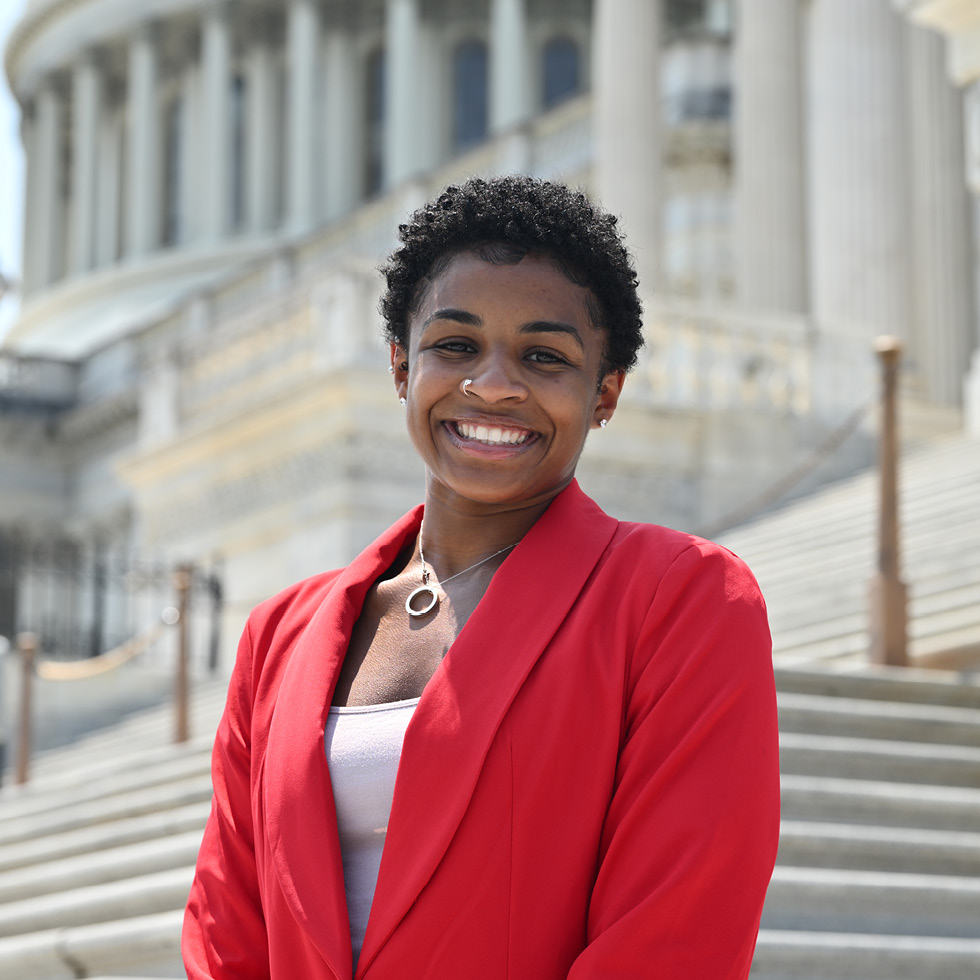
Hear how alumni from the Johns Hopkins School of Education Education Policy program turned their studies into impactful careers advancing equity and community engagement across the education sector. In this conversation featuring Trianna Downing (DC Public Schools) and Emma Banay (Overdeck Family Foundation), they share how policy training helped them pursue meaningful work in schools, nonprofits, and philanthropy. Discover how an education policy degree can prepare you to shape the future of education and make a lasting difference for students and communities.

Program Overview
The 33–36 credit Master’s in Education Policy prepares students to navigate complex federal and state regulations, analyze emerging initiatives, draft policy and regulatory language, conduct financial analyses, and develop evidence-based recommendations. Throughout the program, students also examine contemporary educational inequities and the models and strategies that most effectively address them. Graduates are equipped with the advanced skill set needed to shape education policy in a rapidly evolving 21st-century landscape, backed by the resources and professional network of JHU’s renowned Institute for Education Policy, whose cutting-edge research as influenced American education at every level for over a decade.
The program comprises 11–12 three-credit courses delivered fully online, with one exception: the first-semester Introduction to Education Policy foundation course follows a hybrid format and includes a five-day, in-person residency in Washington, D.C. Students may also choose to complete a three-credit experiential learning internship in their final semester.
Program Focus Areas
- PreK-12 Education Policy Focus Area
- The program is delivered online, except for the first-semester hybrid course, Introduction to Education Policy, which includes an in-person, five-day residency in Washington, D.C. Students can also opt to include a three-credit experiential learning opportunity. Note: The School of Education is unable to provide F-1 visa sponsorship for this program.
- Higher Education Focus Area (Launching Summer 2026)
- Designed for students interested in policy issues affecting colleges, universities, and postsecondary systems. Shares the same structure and foundational courses as the PreK–12 focus area, including the hybrid first-semester residency.
Program Structure
Both focus areas require 33–36 credits (11–12 courses) and share a common set of foundation courses. Instruction is fully online with one hybrid requirement: the Introduction to Education Policy course and its five-day, in-person Washington, D.C. residency. In their final semester, students may elect to complete a three-credit experiential learning internship.
Committed to Community: Ed Policy Alumni on Purpose-Driven Careers
Hear how alumni from the Johns Hopkins School of Education Education Policy program turned their studies into impactful careers advancing equity and community engagement across the education sector. In this conversation featuring Trianna Downing (DC Public Schools) and Emma Banay (Overdeck Family Foundation), they share how policy training helped them pursue meaningful work in schools, nonprofits, and philanthropy. Discover how an education policy degree can prepare you to shape the future of education and make a lasting difference for students and communities.
People of SOE
David Steiner, PhD
Professor, Executive Director of the Institute for Education Policy, Former Commissioner of Education, New York State
"Education embodies the future of a nation: In the U.S., education outcomes are flat, and the achievement gap between the haves and the have-nots is growing. Study with us and graduate ready to make an immediate difference in the futures of children in this country and beyond."

Professor David Steiner is executive director of the Johns Hopkins Institute for Education Policy. In 2020, he finished serving as a member of the Maryland State Department of Education and the Maryland Commission on Innovation and Excellence in Education. Most recently, he was appointed to the Practitioner Council at the Hoover Educational Success Initiative, Stanford University. He previously served as commissioner of education for New York State, as dean at the Hunter College School of Education, and as director of education at the National Endowment for the Humanities.
Upcoming Admissions Events
Have questions about our degree programs, the application, or financial aid and costs? Join us for an inside look at a graduate experience defined by innovation and driven by evidence-based research. Learn more about your area of interest or career path, meet some of our faculty, and connect to the Johns Hopkins School of Education community. Check out our admissions events and register for a virtual information session today.

Core Faculty
-
Alanna Bjorklund-Young, PhD
Assistant Professor
Affiliation
Institute for Education Policy
Expertise
Curriculum Studies, Education Policy & Politics

-
Rebecca Cruz, PhD
Assistant Professor
Affiliation
Center for Safe and Healthy Schools, Innovative Teaching & Leadership
Expertise
Education Policy & Politics, Social Context of Education, Special Education

-
Christine Eith, PhD
Department Chair, Advanced Studies in Education
Associate ProfessorAffiliation
Advanced Studies in Education

-
Richard Lofton, PhD
Assistant Professor
Affiliation
Center for Safe and Healthy Schools
Expertise
Education Policy & Politics, Social Context of Education

Alanna Bjorklund-Young, PhD
Assistant Professor
Affiliation
Institute for Education Policy
Expertise
Curriculum Studies, Education Policy & Politics
Rebecca Cruz, PhD
Assistant Professor
Affiliation
Center for Safe and Healthy Schools, Innovative Teaching & Leadership
Expertise
Education Policy & Politics, Social Context of Education, Special Education
Christine Eith, PhD
Department Chair, Advanced Studies in Education
Associate Professor
Affiliation
Advanced Studies in Education
Richard Lofton, PhD
Assistant Professor
Affiliation
Center for Safe and Healthy Schools
Expertise
Education Policy & Politics, Social Context of Education
-
Jonathan Plucker, PhD
Professor
Program Director, Master of Science in Education PolicyAffiliation
Counseling & Educational Studies
Expertise
Education Policy & Politics, Gifted Education, Learning & Instruction

-
Henry M. Smith, EdD
Assistant Professor
Affiliation
Advanced Studies in Education
Expertise
Administration, Organization & Leadership, Education Policy & Politics

-
David Steiner, PhD
Professor
Executive Director, Johns Hopkins Institute for Education PolicyAffiliation
Institute for Education Policy, SOE Leadership
Expertise
Curriculum Studies, Education Policy & Politics, Research, Evaluation & Assessment

-
Angela R. Watson, PhD
Assistant Research Professor
Affiliation
Institute for Education Policy
Expertise
Education Policy & Politics, Research, Evaluation & Assessment
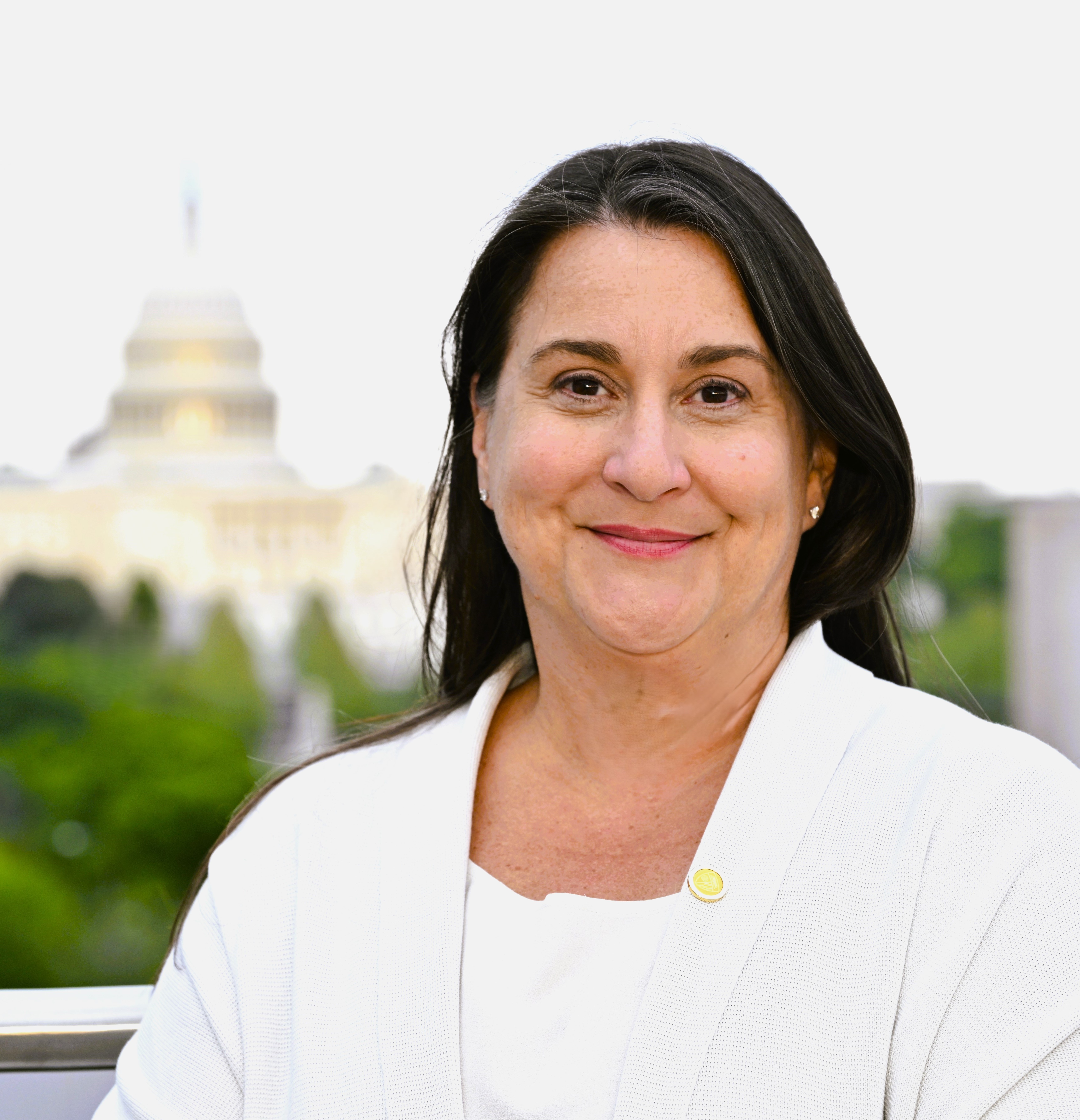
Jonathan Plucker, PhD
Professor
Program Director, Master of Science in Education Policy
Affiliation
Counseling & Educational Studies
Expertise
Education Policy & Politics, Gifted Education, Learning & Instruction
Henry M. Smith, EdD
Assistant Professor
Affiliation
Advanced Studies in Education
Expertise
Administration, Organization & Leadership, Education Policy & Politics
David Steiner, PhD
Professor
Executive Director, Johns Hopkins Institute for Education Policy
Affiliation
Institute for Education Policy, SOE Leadership
Expertise
Curriculum Studies, Education Policy & Politics, Research, Evaluation & Assessment
Angela R. Watson, PhD
Assistant Research Professor
Affiliation
Institute for Education Policy
Expertise
Education Policy & Politics, Research, Evaluation & Assessment
PreK-12 Education Policy Focus Area
The PreK-12 focus area examines the policies, systems, and structures that shape students' educational opportunities and outcomes from early childhood through high school. Students analyze critical issues and through coursework in data analysis and comparative education, students develop skills to address opportunity gaps and drive systemic reform in PreK-12 education.
Students analyze critical issues including:
- Federal and state policy
- School funding and resource allocation
- Accountability systems
- Teacher quality and evaluation
- School choice
- Curriculum standards
- Educational equity
Students develop skills in:
- Policy analysis
- Program evaluation
- Evidence-based decision-making
Students analyze critical issues including:
- Federal and state policy
- School funding and resource allocation
- Accountability systems
- Teacher quality and evaluation
- School choice
- Curriculum standards
- Educational equity
Students develop skills in:
- Policy analysis
- Program evaluation
- Evidence-based decision-making
Higher Education Policy Focus Area (Launching Summer 2026)
The Higher Education focus area explores the American higher education system, examining the institutional structures, policy frameworks, and social contexts that shape colleges and universities. Students develop expertise in analyzing postsecondary policy issues and institutional effectiveness.
Coursework includes:
- Higher education finance
- Organizations & governance in higher education
- Legal & political processes in higher education
- Applied policy analysis capstone
Coursework includes:
- Higher education finance
- Organizations & governance in higher education
- Legal & political processes in higher education
- Applied policy analysis capstone
Career Paths After SOE
Johns Hopkins prepares exceptional interdisciplinary educational leaders to address pressing policy and practice challenges in America’s schools and contribute effectively to governmental agencies, legislative offices, mayor’s offices, think tanks, and nonprofits.
Careers in Education Policy
- Education Advocate
- Lobbyist
- Education Policy Adviser
- Educational Nonprofit Director
Institute for Education Policy
The Johns Hopkins Institute for Education Policy is dedicated to integrating research, policy, and practice to achieve educational excellence for America’s educators — and America’s students.
Careers in Education Policy
- Education Advocate
- Lobbyist
- Education Policy Adviser
- Educational Nonprofit Director
Institute for Education Policy
The Johns Hopkins Institute for Education Policy is dedicated to integrating research, policy, and practice to achieve educational excellence for America’s educators — and America’s students.


Legal Disclosure
State-Specific Information for Online Students
Students should be aware of additional state-specific information for online programs.
Menu
Committed to Community: Ed Policy Alumni on Purpose-Driven Careers
Hear how alumni from the Johns Hopkins School of Education Education Policy program turned their studies into impactful careers advancing equity and community engagement across the education sector. In this conversation featuring Trianna Downing (DC Public Schools) and Emma Banay (Overdeck Family Foundation), they share how policy training helped them pursue meaningful work in schools, nonprofits, and philanthropy. Discover how an education policy degree can prepare you to shape the future of education and make a lasting difference for students and communities.